
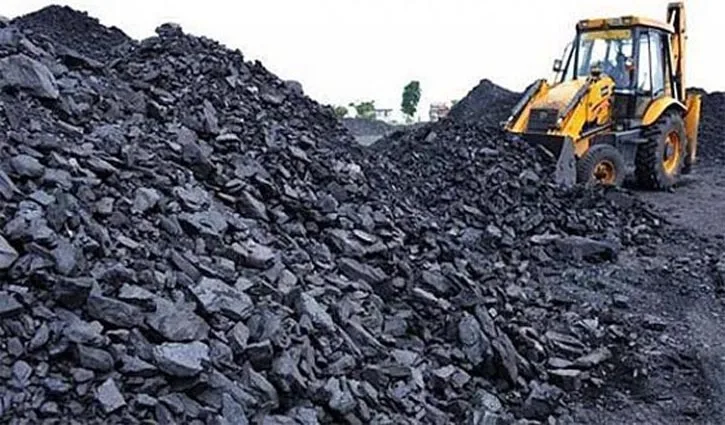
Quazi Aziz Ahamed :: Bangladesh possesses a diverse range of mineral resources that could play a vital role in strengthening the country’s industrial base and overall economic growth, but much of this potential remains underdeveloped due to limited exploration and technological constraints.
Coal, natural gas, limestone, slate, and ceramic raw materials are among the country’s most important mineral assets. Coal deposits are mainly located in Sylhet and Nilphamari, while natural gas reserves are concentrated in Sylhet, Sunamganj, and Chattogram, forming the backbone of Bangladesh’s energy supply. Limestone and slate, which are critical for construction and infrastructure development, are found in areas such as Cox’s Bazar, Sylhet, and Chattogram. Local industries also depend heavily on fire clay and other ceramic and brick-making materials sourced domestically.
Industry specialists stress that systematic mineral exploration is essential for unlocking these resources. Comprehensive exploration not only helps identify new deposits but also supports environmentally responsible mining, improves long-term planning, and boosts investor confidence. A reliable supply of mineral raw materials is seen as key to sustaining industrial expansion and reducing import dependence.
Despite its promise, the mineral sector continues to face multiple challenges. Limited access to modern exploration and mining technology, gaps in regulatory enforcement, and poorly planned extraction activities have slowed progress. Environmental concerns, including deforestation, water pollution, and social impacts on nearby communities, have also raised questions about the sustainability of mining operations.
In response, the government has introduced several measures to reform the sector. These include the creation of the Bangladesh Mineral and Mining Development Authority, policy initiatives aimed at attracting foreign investment, and efforts to strengthen oversight with greater emphasis on environmental and social safeguards.
Experts believe that with stronger governance, modern technology, and long-term planning, Bangladesh’s mineral sector could significantly support industrial development, power generation, export earnings, and job creation. Increased international collaboration and responsible investment could further accelerate growth.
If managed effectively, Bangladesh’s mineral wealth has the potential to become a key pillar of national development, transforming natural resources into sustainable economic gains for the country.












আপনার মতামত লিখুন :