
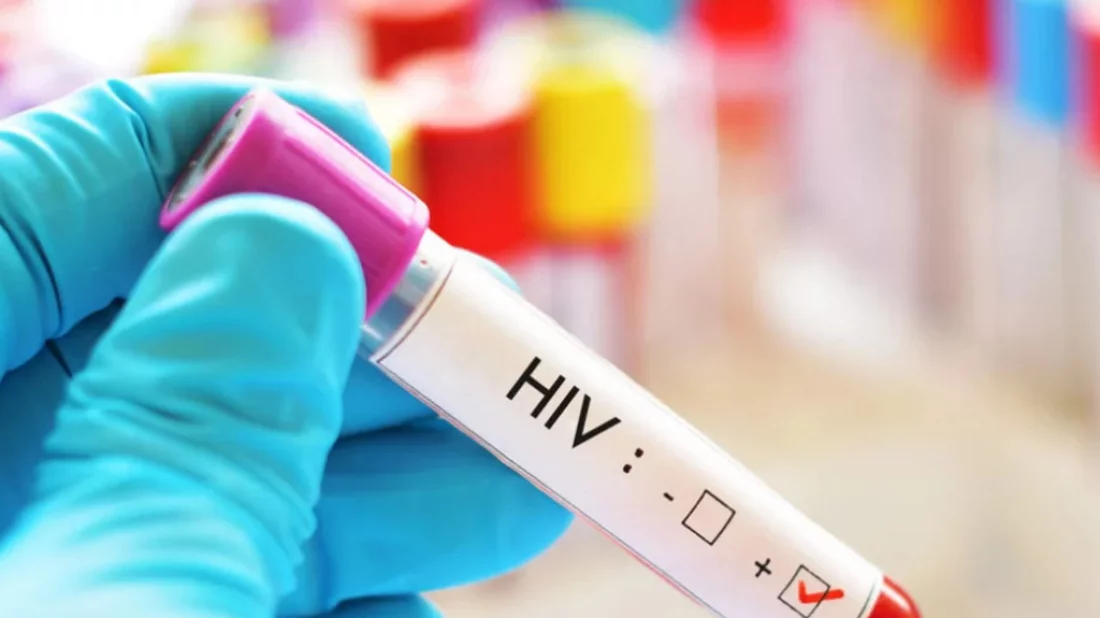
Sujan Miah :: When a 45-year-old medical worker at a well-known private hospital in Bangladesh tested positive for HIV, she did not receive counseling, protection, or support. Instead, she lost her job.
The woman, identified as Krishna to protect her identity, told Dhaka Tribune that she was dismissed from her position less than a year after her diagnosis, despite senior hospital authorities and government officials being aware of her condition. She had worked for nearly six years as a computer operator assisting doctors with medical reports.
Krishna said the hospital’s top management, branch manager, the local deputy commissioner, and a senior official from the Directorate General of Health Services were informed of her HIV status but failed to intervene. She was terminated in October and has yet to receive her service benefits or pending allowances. Now unemployed, she stays at home caring for her daughter, who is in ninth grade.
“I still don’t know how I got infected,” she said. “From being financially independent, I have become socially invisible.”
Her experience reflects the reality faced by many people living with HIV in Bangladesh, where stigma and discrimination remain major barriers to employment, healthcare, and dignity.
As the world marks World AIDS Day 2025, new UNAIDS figures show that global progress against HIV has slowed. In 2024 alone, there were 1.3 million new infections and 630,000 AIDS-related deaths worldwide.
Bangladesh is still classified as a low-prevalence country, with infection rates below 0.1%. However, health officials warn that changing drug-use patterns, insufficient testing, and shrinking prevention services are creating conditions for a wider outbreak.
A senior official at the Directorate General of Health Services working with the National AIDS/STD Control Program said around 1,700 new HIV-positive cases were detected in Bangladesh this year. The majority were identified among gay and same-sex communities, with noticeable increases in Mymensingh, Khulna, and Rajshahi divisions.
According to the UNAIDS Global HIV Factsheet 2025, the Asia-Pacific region had 6.9 million people living with HIV in 2024, alongside 300,000 new infections and 150,000 deaths. The region remains off track in achieving the global 95–95–95 targets for diagnosis, treatment, and viral suppression.
Globally, 87% of people living with HIV are aware of their status. In Bangladesh, stigma and fear continue to deter people—especially those in high-risk groups—from testing and treatment.
A significant proportion of cases in the country are still detected among returning migrant workers, many of whom contract HIV abroad and are diagnosed only after coming home. Meanwhile, UN reports warning of rising synthetic opioid use in South Asia have raised concerns about increased injecting drug use and associated HIV transmission.
Key populations—including people who inject drugs, sex workers, men who have sex with men, transgender individuals, and migrants—remain disproportionately affected.
Globally, women and girls account for 53% of people living with HIV, and nearly half of all new infections in 2024. While Bangladesh’s epidemic remains male-dominated, women—particularly spouses of migrant workers—are increasingly vulnerable due to limited awareness, delayed testing, and social barriers.
An expert working closely with people living with HIV told Dhaka Tribune that an alarming number of university students in Bangladesh have tested positive in recent years, linked to “chemsex”—the use of drugs to enhance sexual experiences.
While 77% of people living with HIV worldwide were receiving antiretroviral therapy (ART) in 2024, South Asia continues to lag behind. In Bangladesh, major challenges include:
Limited ART availability outside major cities
Lower treatment uptake among men
Serious gaps in pediatric HIV treatment
Globally, only 55% of children living with HIV receive ART.
HIV prevalence remains far higher among marginalized groups worldwide—7.1% among people who inject drugs, 7.6% among gay men, and 8.5% among transgender people—compared to a global average of 0.7%. Bangladesh reflects the same pattern of inequality.
International funding for HIV programs fell to US$18.7 billion in 2024—17% short of what is required. Public health experts warn that continued funding reductions could derail progress in low- and middle-income countries, including Bangladesh.
Health experts say Bangladesh must urgently prioritize:
Expanding HIV testing through community-based and self-testing services
Ensuring nationwide access to ART
Strengthening harm-reduction programs for people who inject drugs
Designing targeted services for women, youth, and transgender communities
Improving prevention and screening for returning migrants
Increasing domestic financing to reduce donor dependence
Md. Hafizuddin Munna, a member of the Bangladesh Country Coordinating Mechanism and general secretary of the People Living with HIV (PLHIV) Network, warned that Bangladesh’s HIV response is facing “critical systemic failures.”
“Global Fund resources have declined worldwide, and this financial strain has forced many essential HIV programs in Bangladesh to scale down,” he told Dhaka Tribune.
Munna said shifting key population services from community-based settings to hospitals since 2017 has created serious access barriers. “Services used to be closer to the community. Moving them to hospitals has disrupted care and reduced treatment adherence,” he said.
He also highlighted the lack of psychosocial support. “HIV treatment is not only medical. Without counseling and social support, patients struggle to survive. Yet there is no dedicated HIV service structure, and staff are overwhelmed.”
Without immediate and comprehensive reforms, experts warn that Bangladesh’s HIV situation could worsen rapidly—placing thousands more at risk.





আপনার মতামত লিখুন :